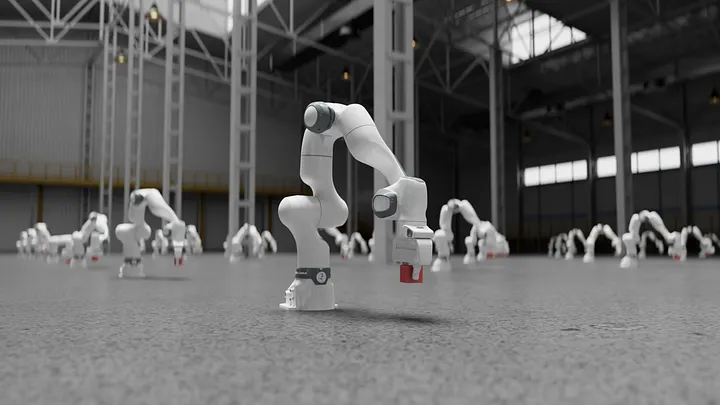
In2025, humanoid robots are stepping out of sci-fi and into homes, schools, and hospitals — powered by AI, machine learning, and advanced robotics. From Tesla’s Optimus to Hanson Robotics’ Sophia, here’s how they’re transforming daily life.
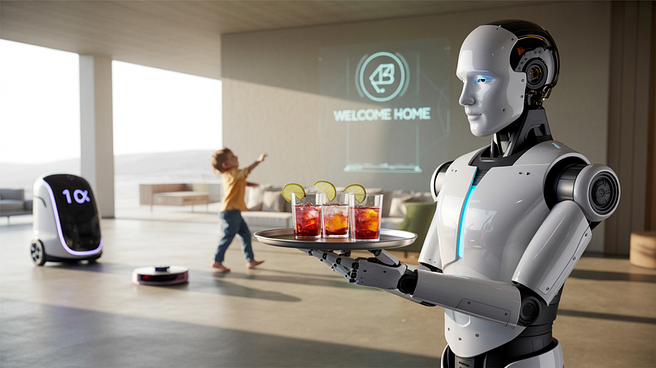
Rise of Domestic Humanoid Robots
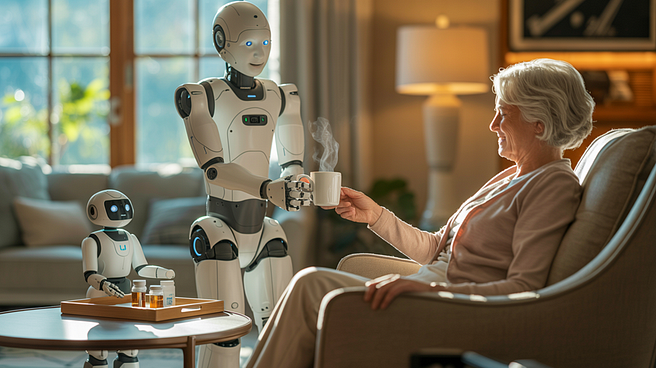
Humanoid robots mimic human actions, excelling in chores, companionship, and smart home integration.
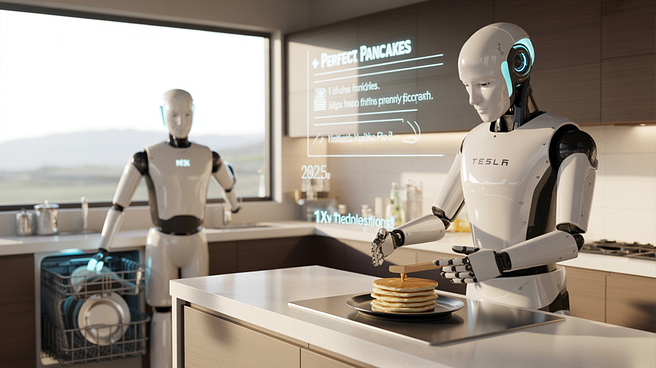
Top Humanoid Robot Manufacturers
- 1X Technologies: Neo & EVE
Neo (5’4″, 66 lbs) performs household tasks like vacuuming and fetching items, learning user routines via Redwood AI. EVE is optimized for retail environments. Neo is undergoing trials in hundreds of homes, with plans to reach 1,000 deployments by 2027. Leasing is available at $200/month, with a purchase price of $10,000.


2. Tesla: Optimus
Tesla’s 5’8″, 125 lb humanoid robot, lifts 45 lbs and runs on Tesla’s AI. With 5,000 units planned for 2025, it targets home use by 2026 at $20,000–$30,000. Demos like serving food earned praise, though some actions were teleoperated.

3. UBTech: Smart Devices Series
UBTECH’s Walker stands 5’5″, weighs 77 lbs, and performs household tasks like watering plants, moving objects, and controlling smart devices. Designed for family life, it offers companionship to children and seniors, with emotional support and security alerts built in. While pricing hasn’t been disclosed, Walker targets home integration by 2026, with demos showing garbage disposal and tool use in real-world settings.

4. Apptronik: Apollo
Apollo will operate in warehouses and manufacturing plants in the near term, eventually extending into construction, oil and gas, electronics production, retail, home delivery, elder care, and countless more areas.

5. Engineered Arts: Ameca
Ameca is a humanoid robot built for human-robot interaction, featuring ultra-realistic facial expressions, conversational AI, and modular hardware. Designed for research, public engagement, and entertainment, Ameca showcases expressive gestures and speech capabilities.

6. Sanctuary AI: Phoenix
Phoenix is Sanctuary AI’s humanoid robot designed for general-purpose work using its proprietary cognitive architecture, Carbon™. It learns and adapts quickly, with trials planned for 2026 across industries like logistics, retail, and manufacturing.Sanctuary AI envisions future applications in areas requiring human-equivalent labor. Pricing is unconfirmed, but estimates suggest a target near $30,000.

Unitree G1 is a $16K compact humanoid with dexterous hands, built for eldercare and agile tasks. It’s seen as “future-ready” by testers. The upcoming F1 aims to exceed G1 in mobility and AI, bridging G1’s affordability with H1’s high-end performance.

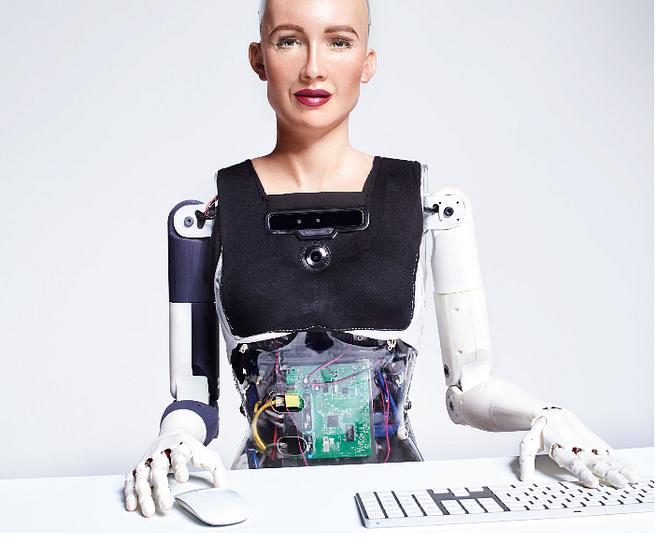
8. Hanson Robotics: Sophia
Sophia, a $50K+ social humanoid by Hanson Robotics, is known for lifelike expressions and engaging conversation. She’s designed for companionship, education, and public interaction, and was named the UN’s first robot Innovation Champion.
9.Softbank Robotics: Pepper
Pepper, priced around $10,000, is a social humanoid robot designed for education, healthcare, and customer engagement. It recognizes emotions, interacts fluidly, and adapts to users — making it popular in schools, hospitals, and homes.

Benefits of Humanoid Robots
- Time Savings
- Elder Care
- Education
- Smart Home Integration
- Safety
Challenges for Humanoid Robots
- Cost
- Privacy
- Job Displacement
- Safety
The $24 Trillion Opportunity
Ark Invest estimates the economic value of robotic labor could reach $24 trillion, as humanoids take on tasks across manufacturing, logistics, and domestic life
Goldman Sachs projects the global humanoid robot market will reach $38 billion by 2035, up from $6 billion a year prior. The surge is driven by rapid AI progress, cheaper components, and expanding use cases beyond factories into homes and healthcare.
Morgan Stanley forecasts a $3 trillion U.S. market for humanoid robots by 2050, emphasizing embodied AI’s potential to reshape labor and productivity
Which robot fits your home — Walker, Pepper, or Sophia?