Health innovation at CES wasn’t about hospitals or moonshots. It was about home, routine, prevention, and physical reality. AI showed up but mostly in the background, folded into products with clearly defined roles.
Below are 10 health innovations featured at CES 2026, highlighting select developments shaping the future of health technology.
1. Cosmo-Robotics
Cosmo-Robotics showcased Bambini Kids and Bambini Teens overground pediatric walking exoskeletons designed for natural gait training. What made these notable wasn’t flashy robotics, but the focus on everyday walking environments rather than controlled lab settings. The message was rehabilitation that fits into real life.
CES 2026 Innovation Award: ✅ Honoree (Digital Health / Assistive Tech)


2. Unocare
Unocare demonstrated a multi-assistant system across assisted-living and care contexts. The demos emphasized interaction and adaptability, not automation. There were no bold clinical claims just assistive behavior designed to integrate naturally into daily routines.
✅ Unocare was named a 2026 Innovation Award Honoree in the Mobile Devices, Accessories & Apps category
3. Withings
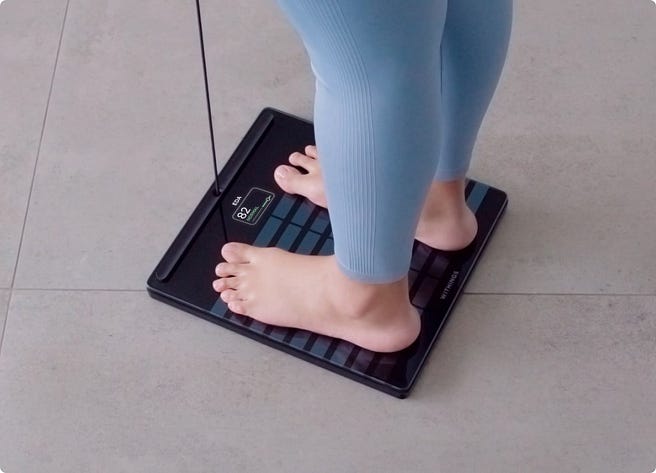
Withings made one of the strongest health-tech showings at CES 2026 with the unveiling of Body Scan 2, a $599.95 home “longevity station.” The system tracks 60+ biomarkers, introduces AI-powered hypertension-risk detection, and pushes home diagnostics closer to clinical territory. The framing was not about replacing doctors but about bringing more signal into the home earlier, continuously, and with less friction.
4. Healthcare Robot 733
Bodyfriend’s Healthcare Robot 733 appeared as a posture- and mobility-assist system. The booth stayed grounded: physical support, assisted movement, and balance — not hospital workflow replacement. It reflected a broader CES trend toward narrow, well-defined healthcare roles.

4. NuraLogix
NuraLogix’s Longevity Mirror used facial video and optical imaging to infer wellness indicators such as stress, cardiovascular resilience, recovery patterns, and physiological age. Positioned as risk insight and monitoring, not diagnosis, it framed longevity as something you check daily — like brushing your teeth.
5. Muse
Muse refined its EEG-based wearables with a continued focus on mental-state awareness. The demos emphasized calm, focus, and daily cognitive regulation rather than performance claims or clinical diagnosis. The signal here was subtle but consistent: brain-state tracking is becoming a daily wellness layer, not a medical event.
6. Mimofit
Mimofit demonstrated AI-assisted rehabilitation experiences for neurological conditions including Parkinson’s, stroke recovery, and age-related mobility decline. The key shift was clear: rehabilitation framed as guided, at-home activity, not clinic replacement or automation.
7. earflo
earflo showcased a non-invasive device designed to treat negative middle ear pressure in children a leading cause of ear infections. The product was positioned as an alternative to ear tubes, emphasizing prevention and pressure normalization over intervention.
CES 2026 Innovation Award: 🏆 Best of Innovation — Digital Health
8. Ohm Body
Ohm Body presented a wearable using non-invasive neurotechnology designed to engage nerve pathways studied in neuromodulation research. Importantly, the positioning stayed firmly in wellness and stress support, avoiding medical or therapeutic claims.
9. Haply Robotics
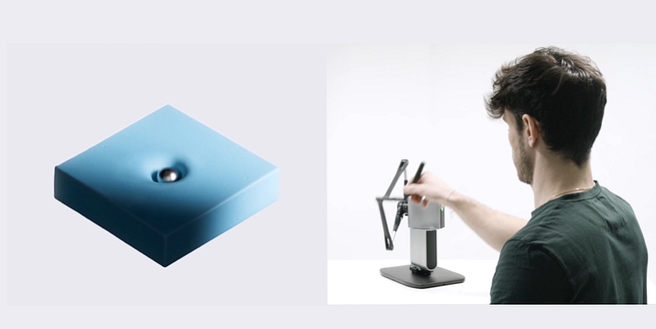
Haply Robotics demonstrated haptic devices that allow users to feel resistance and pressure during remote robotic interaction. In healthcare contexts, this represents a critical advancement: restoring tactile feedback, not just visual control, in remote procedures.
CES 2026 Innovation Award: 🏆 Best of Innovation — Digital Health
10. Abbott Laboratories
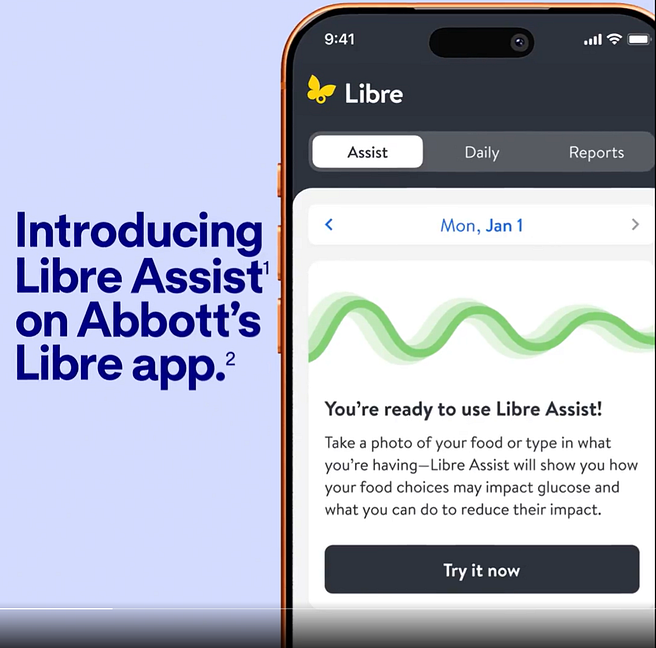
Abbott launched Libre Assist, a new AI-powered feature within the Libre app. Libre Assist helps people living with diabetes make in-the-moment food decisions by predicting how specific meals may affect glucose levels. The feature is available at no additional cost, positioning AI not as a premium upgrade, but as embedded support for daily decision-making.
The Big Picture
CES 2026 made one thing clear: health tech is no longer a niche corner of the show. It’s the backbone of the next consumer‑tech wave. AI, sensors, robotics, and voice analytics are converging into a new model of care — one that’s continuous, predictive, and deeply personal.
If this year is any indication, the future of health won’t be built in hospitals. It’ll be built in our homes, our wearables, our voices, and even our pets’ collars.
More to Read
CES 2026: What We Actually Saw on the Floor
A first-hand, on-site account of observed demos and public claims at CES 2026 medium.com